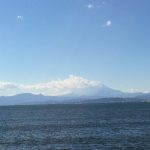
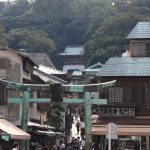
have visited many times, as easy day trips from Tokyo – about 50min by JR commuter trains.
Jan 2016
Tsuruoka Hachimangu
It happened there was a Peony show in its garden. The peonies were huge, in varying colours and were carefully protected from wind and frost. There was a small section named as “Lake-stone” garden. The stones were retrieved from the bottom of Lake Tai in China and constructed with the help of Suzhou Forestry Bureau.
The giant ginkgo tree before its collapse in 2010
Dec 2005
Dec 2003
visited Tsuruoka Hachimangu when the 1000-year giant Ginkgo tree was still around, and the Daibutsu.
Visited Okutama and Takaosan in early Nov for fall foliage.
Okutama (奥多摩)
day trip from Tokyo, about 2hrs by express train from Shinjuku. The lake area can be accessible by public bus.
Okutama station
fresh wasabi
Takaosan (高尾山)
easy day trip from Tokyo, just 50min by express train from Shinjuku, followed by a cable car ride and a short hike. As it was on a weekend with some Koyo, it was very crowded.
Arrived at the onsen villa in remote mountain/valley after a long drive. The villa is huge with several houses and a garden beside a river stream and a forest. The owner is a senior living there who has renovated part of the house with onsen facilities. His late father has been awarded by the Showa Emperor due to his contribution in forestry.
The owner was quite meticulous in serving a Shabu-shabu dinner with famous local pork and vege. After breakfast, he took us to a tea house and served Japanese tea in the traditional manner. Overall, it was quite an experience. Returned car in Hashimoto and took train back to Osaka/Namba.
onsen villa with huge garden
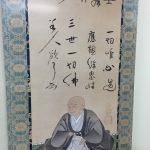
Daruma painting in the entrance
onsen facilities
onsen composition
room that we stayed
villa next to stream and forest
sumptuous dinner
Winter Illumination in Osaka
JR Osaka station city
Namba Parks
Ume blossom in Osaka castle garden
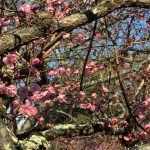
Before departure, visited the Ume garden in Osaka castle. The garden is huge with many Ume varieties. Though it was not in full bloom yet – many trees were in bare branches, others were blooming. In our opinion, this garden is even bigger than the one in Kitano Tenmangu in Kyoto that we visited earlier in this trip.
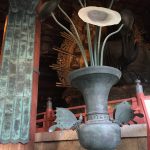
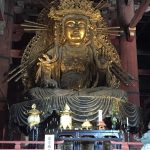
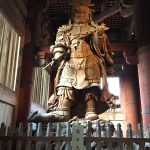
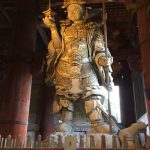
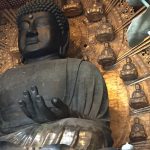
We were last here 20+ yrs ago. This world heritage was really awesome even from a distance. Amazing wooden architecture and lots of artifacts inside such as the giant Buddha, with lots of statues and carvings etc.
photography is allowed inside the temple but no flash, no tripod
Yakushi-ji (藥師寺)
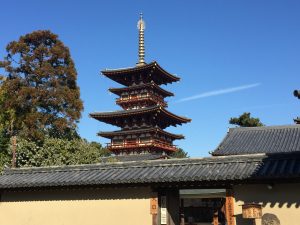
From Nara city, stopped by Yakushi-ji but did not enter as one of the pagodas was fully covered in canvas for renovation.
Horyu-ji (法隆寺)
drove here as it is about 10km away from Nara city centre. This is the oldest remaining wooden structures in the world since 8th century, and the first world heritage in Japan. The complex is huge and it includes a pagoda, many halls and a Treasure gallery full of Buddhist artifacts for 1000+ yrs. Spent about 3 hrs there.
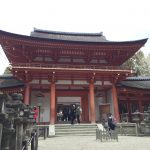
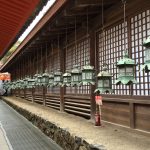
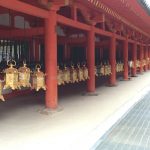
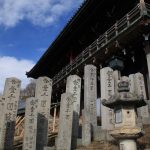
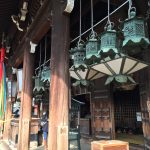
Visited Nara Park. Followed path uphill to Kasuga Taisha. Along the path leading up to the shrine, there were many stone lanterns lining on either side. The stone lanterns have inscriptions on it stating the amount of donation and the name of donors. From time to time, deers were wandering in the park, waiting for passers-by to feed them. Inside the shrine, there are many hanging lanterns.
Ukimido in Nara Park
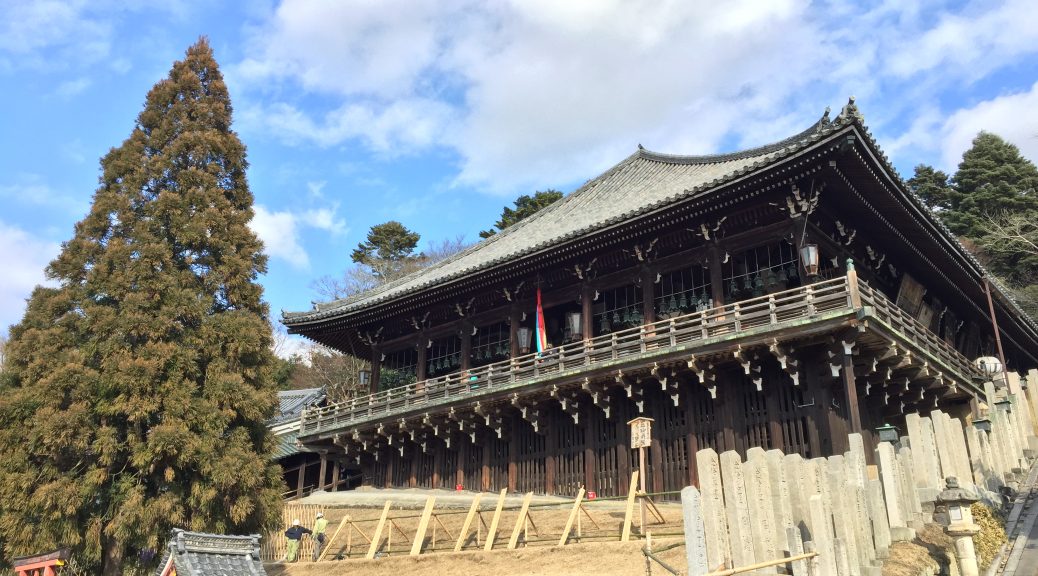
Nigatsu-do (東大寺二月堂)
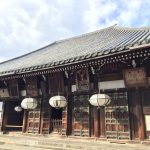
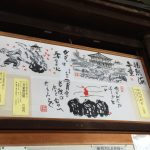
From Kasuga Taisha, followed path to Todai-ji and arrived at Nigatsu-do. This beautiful hall is part of Todai-ji and is located in its eastern hillside. Nigatsu literally means the second month (in the lunar calendar) for an annual rite held since 8th century. There are many hanging lanterns, paintings and carvings in the hallway. A nice view of Nara city could be seen from the deck.
visited several World Heritage sites in Kyoto and Nara when there were less tourists in Feb. Returned to Osaka/Namba after Nara.
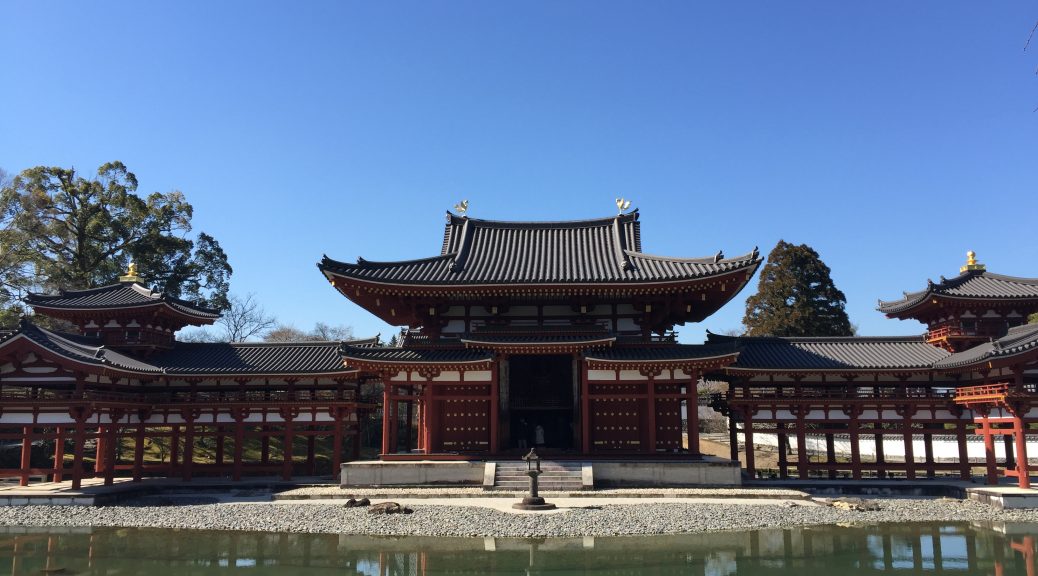
Byodoin (平等院)
Byodoin is in Uji, a town famous for green tea and is about 30min by commuter train from Kyoto. It’s more than 1000 years old and its Phoenix Hall is featured on the back on the JPY10 coin. Apart from its beautiful architecture and garden, there are many valuable artifacts such as paintings, statues and sculptures in its treasure house.
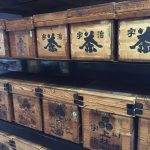
After brief soba lunch, visited the Uji Shrine on the opposite side of the Uji river. Returned back to the tea alley to visit 500-year old tea house, whose founder had served the shogun. The current owner is already the 16th generation. The Uji-cha (tea) sets with local desserts were excellent. A Swiss guy serving us showed us to visit the tea information room on 2F.
Uji Shrine
500-yr old tea house
in Meiji-era
original founder
16th generation tea master
To-ji (東寺)
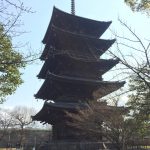
Toji, literally “East Temple”, served as one of the capital’s guardian temples, when the capital was relocated from Nara to Kyoto in the Heian-era (circa 700AD). The pagoda is still the tallest pagoda in Japan and is the symbol of Toji and Kyoto.
It happened that the 5-storey pagoda was opened to the public in Feb when we visited. A free English-speaking guide briefed us on the history of To-ji. Apart from the pagoda, the Kondo (“Gold hall’) and Kodo (“Lecture hall”) exhibit many precious Buddhist artifacts such as sculptures, statues, paintings etc.
2 cranes in the moat surronding To-ji
southern entrance
Kondo (gold hall)
Kodo (lecture hall)
Kitano Tenmangu (北野天滿宮)
Visited Ume (Plum) blossom in garden. Though it was not in full bloom when we visited, Ume flowers in various colours were blooming.
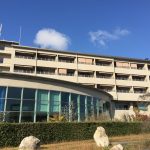
Picked this onsen hotel as it has rooms in modern style and a balcony with seaview. Though there was a tub, it’s not using onsen but only hot water as stated on its website (in Japanese), so we did not even bother. The public rotenburo was spacious, sea-facing and very nice, though it took a bit of walk downhill.
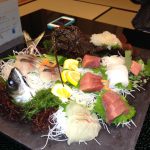
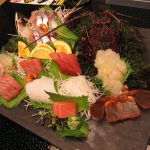
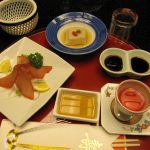
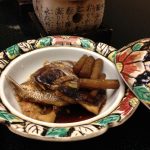
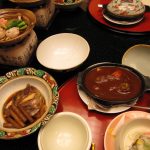
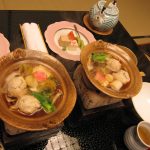
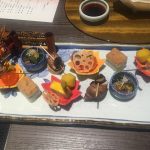
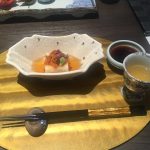
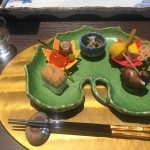
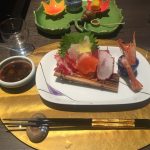
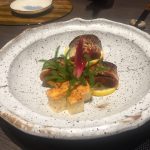
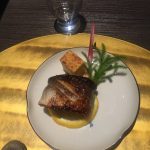
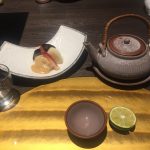
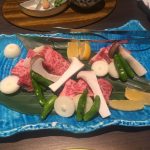
Kaiseki dinner was nice though whale in sashimi (“Kujira”) was served, as in most other ryokans in southern Wakayama. We deliberately did NOT touch it at all.
rotenburo in balcony but only hot water is supplied
Of all the onsen ryokans that we have stayed, this is the first one to be reached by boat from the mainland. Nakanojima literally means “in the middle of an island” and indeed the hotel was the only premise on the island.
Soaking in the rotenburo surrounded by sea was almost like soaking in the sea. It was quite an experience. Before checking out, we had a stroll around the island – good views of the coastline and also Nachisan on the mainland.
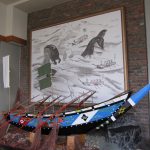
model of whaling boat
view from the island where the onsen ryokan is located