JP 2022 Nov Koyo Kansai

Visited Japan in end Nov after the border has reopened to international tourists. It was a 14-day trip from Kansai to Tokyo via Hokuriku – visiting Fukui Prefecture for the first time.

Overall itin – KIX > Osaka > Arima onsen > Kyoto > Fukui > Kanazawa > Tokyo


Landed in Osaka/KIX and it roughly took about 40 min to exit into the arrivals lobby, despite possessing the 3 QR codes generated by the Visit Japan Web, and there was no line in immigration.

Headed into the Osaka/Umeda by limo bus and checked into Hotel Granvia Osaka. To our surprise, there was a super-long line on Sunday evening (maybe due to the GoTo program as most were locals) and it took like 50 min to get our room key on the highest Executive floor.

Had our first dinner in Japan (in almost 3 years) in a local “kappo” in West Umeda. Food was so delicious – esp the tempura items.  Felt a bit sorry for the shop – we’re the only customers in that evening until around 8:30pm when we’re about to leave. 


On the next day we took express bus to Arima onsen (our 3rd stay) in 1 hour.  After dropping our luggage in the onsen hotel, we hiked up to the Zuihoji Koen (Park), passing by the familiar temples and the public onsen bath along the way.  There were some visitors – all locals but not crowded. A senior couple asked me to take photos for them and he offered a handshake after knowing that we’re from Hong Kong.

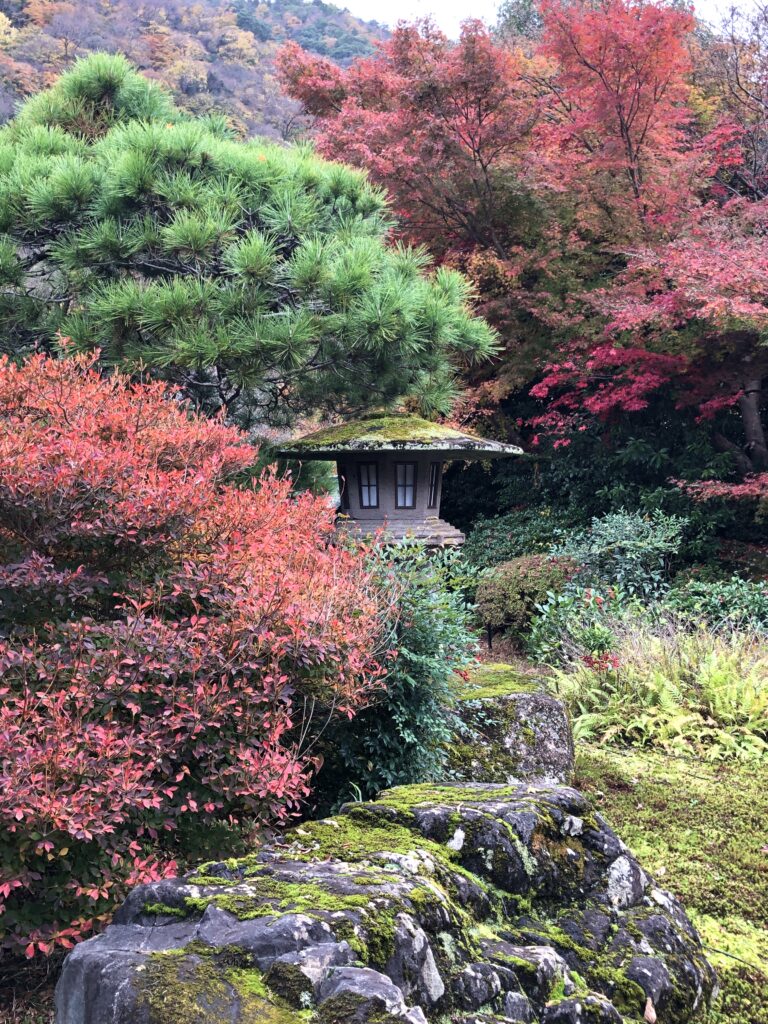
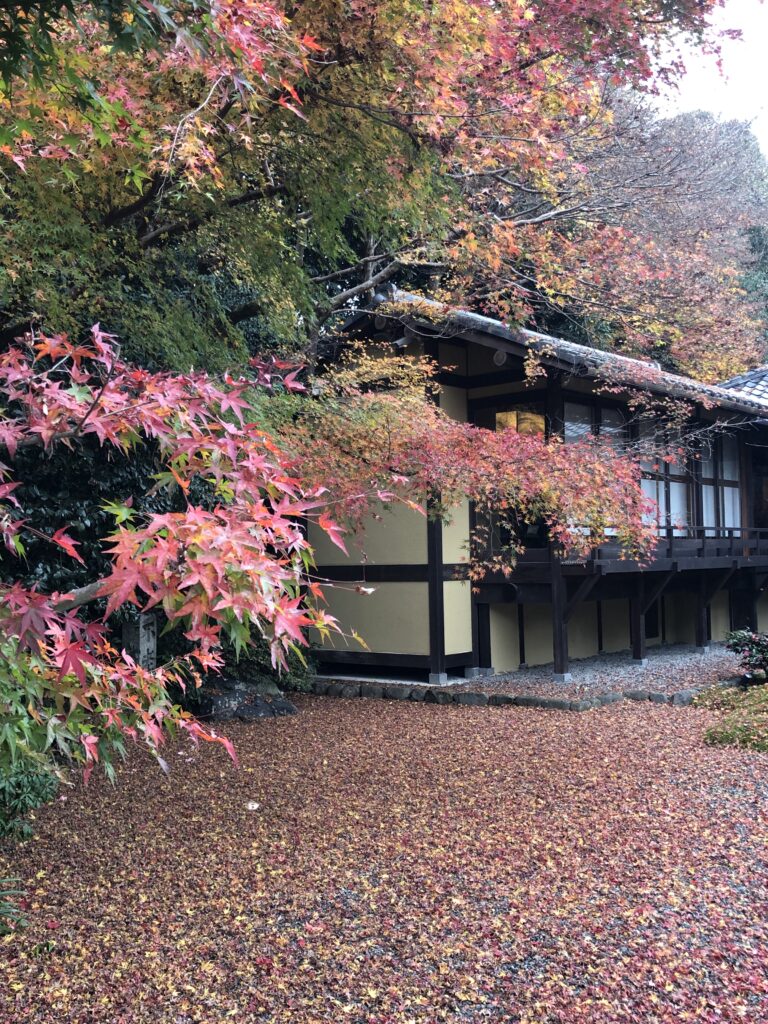
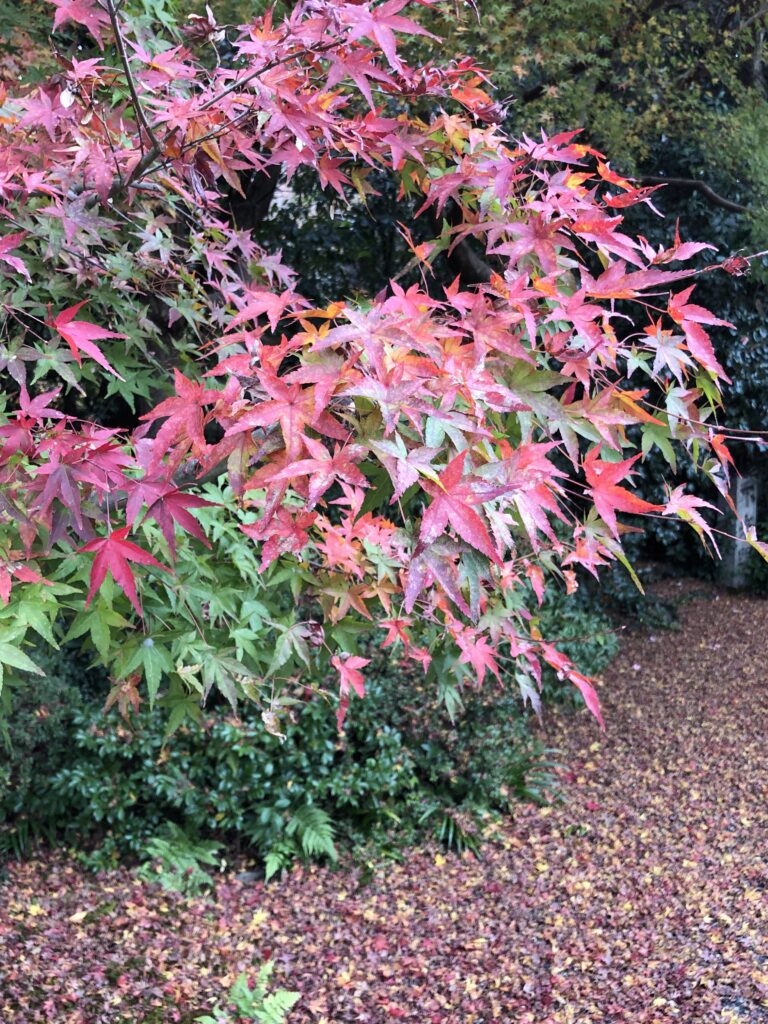
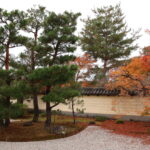
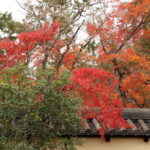
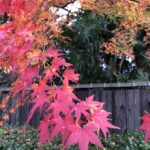
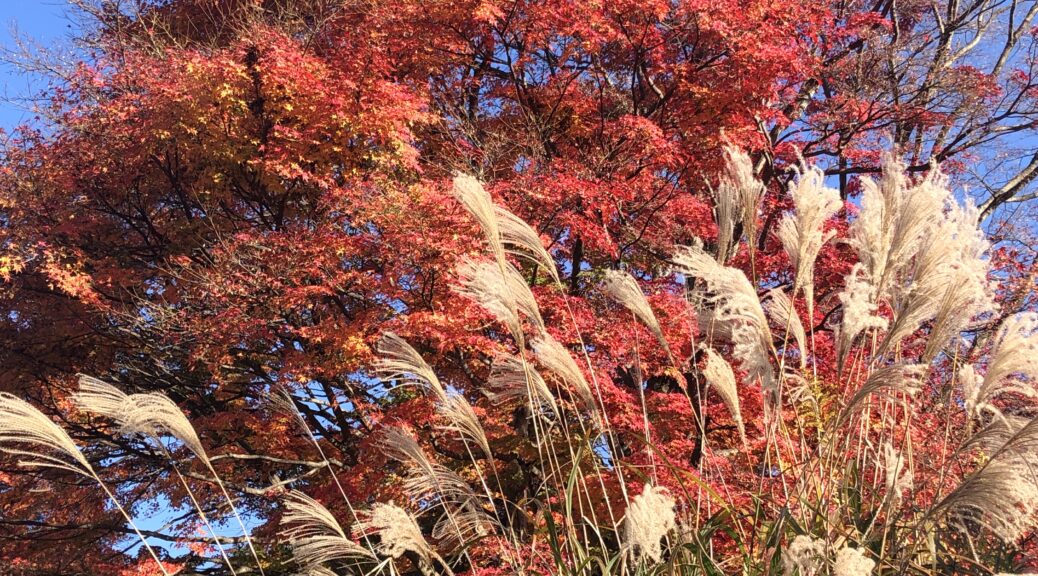
Koyo had clearly past peak – the driver of the hotel shuttle bus told us it was 1 week ago.  We knew it but that’s the earliest timeline we could visit Japan 🙂


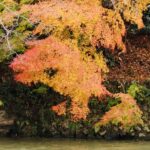
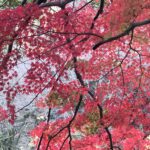
Koyo in Arima onsen and Zuihoji Park


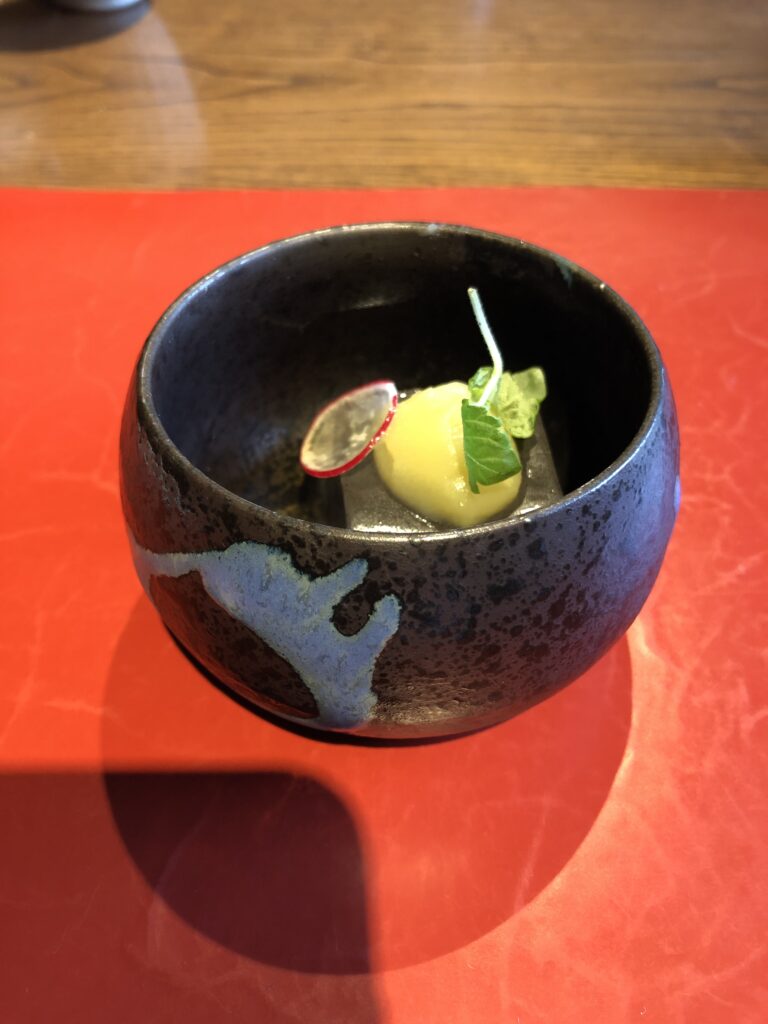
2nd stay in Kourokan – annexed ryokan of Gekkoen, Arima onsen 


Main Chef Omakase course (5 sets daily)


======>   Kyoto (Part 1)   ======>


JP 2022 Nov Koyo Kyoto (Part 1)

It was raining on the next morning in Arima onsen and Kinki area.  Returned to Kyoto around lunch time by express bus.  Lined up outside our fav sushi shop beneath the Kyoto station before checking in Hotel Okura. Stayed in room facing the Higashiyama area for the first time.  Some famous landmarks such as Chion-in, Nanzenji, Eikando etc could be identified with the help of a brief map on the window pane.

There was a light haze in Higashiyama after rain had stopped.


Had breakfast in our fav coffee shop chain in Teramachi. It was quiet with few customers – unlike its shops elsewhere. Besides, it has a mini-Japanese garden inside.

Dropped by Honno-ji (本能寺) next door, at the back there is a small temple dedicated to Oda Nobunaga and his sword grave.  Honnō-ji is most famous for the Honnō-ji incident – the assassination of Oda Nobunaga. In that incident the original temple had been burned down whereas the current temple was subsequently rebuilt.

Teramachi, Kyoto


Seiryo-ji (清凉寺)

Visited this temple in Arashiyama – as recommended by a respected local Sensei.  It stores several national treasures of Japan (photos not allowed), including a small wooden Buddha statue* originated from India, brought to China during the Southern dynasties and finally brought to Japan during the Song dynasty 1000+ years ago.

Though koyo was off-peak in the landscape garden at the back, there were some brilliant spots on its premises.  Visitors were sparse.

*本尊 赤栴檀の釈迦如来(国宝)


=====>   Kyoto (Part 2)  =====>


JP 2022 Nov Koyo Omihachiman

On the next morning we took JR Kaisoku (rapid) commuter train to Kusatsu, Shiga Prefecture (in about 20 min direct). Picked up a rental car and headed to Oike-ji, Koka in about 45 min (< 25km away), due to busy traffic on national roads.

It was quiet and the head monk received and briefed us with a video. The landscape garden is serene. We stayed for less than 1 hour.


Oike-ji (大池寺)


Lunch in Morishima Honten (毛利志満 近江八幡本店)

drove to this 100+ year old shop whose beef cattle are raised in its own farm. The grilled Omi-gyu (近江牛)  was delicious. The restaurant was quite full and thus we had to wait for a while w/o reservation.


Kyorinbo (教林坊)

Next we drove to Kyorinbo, which was the most brilliant koyo spot in this visit !!  Re its website it was founded by Prince Shotoku (聖德太子) in early 7th century AD.

There were more visitors though not crowded. 


The more brilliant spots were around Hondo (main hall) and opposite Shuin (library). 

Out of the blue, it suddenly rained. Thus, almost all visitors sought for shelter in Shuin. After 10 min or so, it was getting heavier and even small round white pellets rained down – our first experience !  Luckily it wasn’t those large hailstone and no one seemed to be hurt.


Omihachiman (近江八幡)

Next we drove to the canal area of Omihachiman.  Dropped by the Hakuunkan (literally white cloud hall) – in European architecture which now serves as the tourist information centre.  As traffic was fairly heavy along the way, we did not stay for long and returned to Kusatsu. 


=====>   Kyoto (Part 4)   =====>


JP 2022 Nov Koyo Kyoto (Part 4)

On the last day in Kyoto we visited Kaju-ji (勧修寺) in Yamashina.  Did not stay long as Hondo and other halls were being renovated so a bit noisy.  There were a few visitors that morning.  


Daruma-ji (Horin-ji)

達磨寺 (法輪寺)

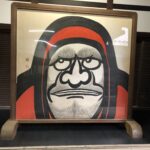
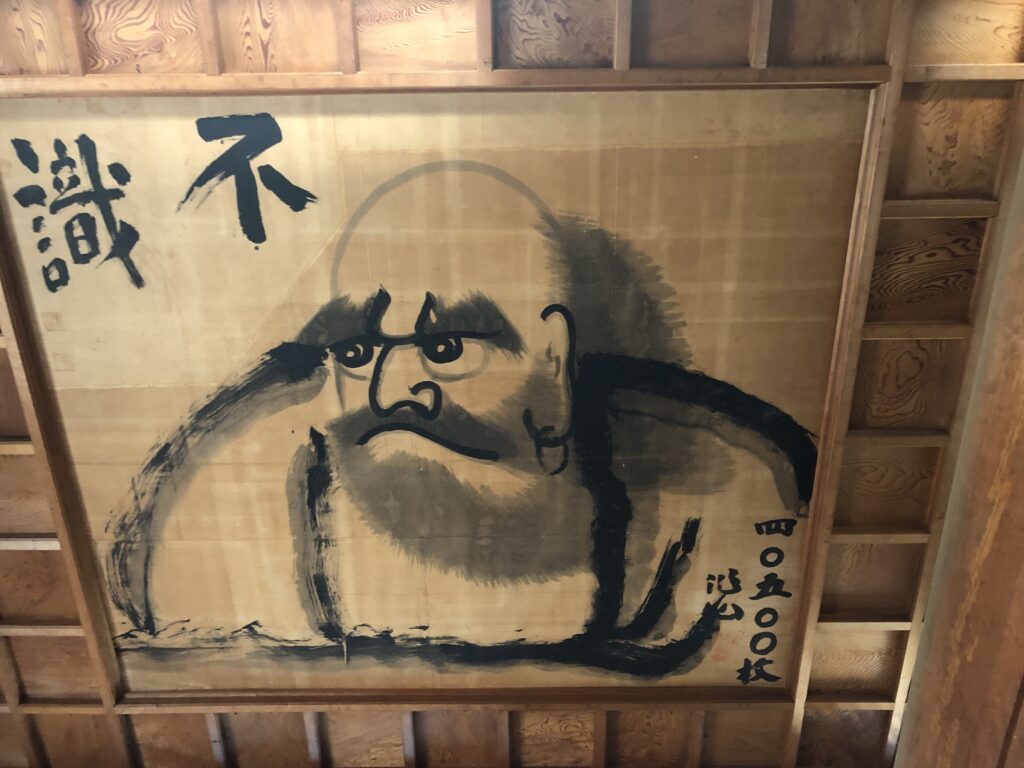
Returned to Kyoto city to visit Daruma-ji, where there are hundreds of daruma dolls in various sizes.  Unexpectedly on the second floor, there’s a room containing the mortuary tablets of Japanese movie directors, actors, actresses, singers of the last century.  


This sums up our 5-day stay in Kyoto in this trip. Overall, it was generally less crowded in Kyoto, though we did not visit Gion nor the Higashiyama area.

Next we’re heading to Hokuriku.


=====>   Echizen Kaigan, Fukui   =====>


JP 2022 Nov Koyo Kyoto (Part 3)

Enko-ji (圓光寺)

On the next day we visited Enko-ji in north-eastern Kyoto.  It was founded by Tokugawa Ieyasu, the shogun who brought about the Edo Period.  It was fairly crowded despite on a normal weekday. 

The rock garden Honryutei (奔龍庭) depicts a dragon soaring in sea of clouds manifested by stones+pillar rocks and white sands respectively.  It’s quite unique in all the rock gardens that we’ve visited.


The landscape garden Jyu-gyu no niwa (十牛之庭) is famous for its maple trees whose koyo has also past its peak with mostly fallen leaves on the ground.


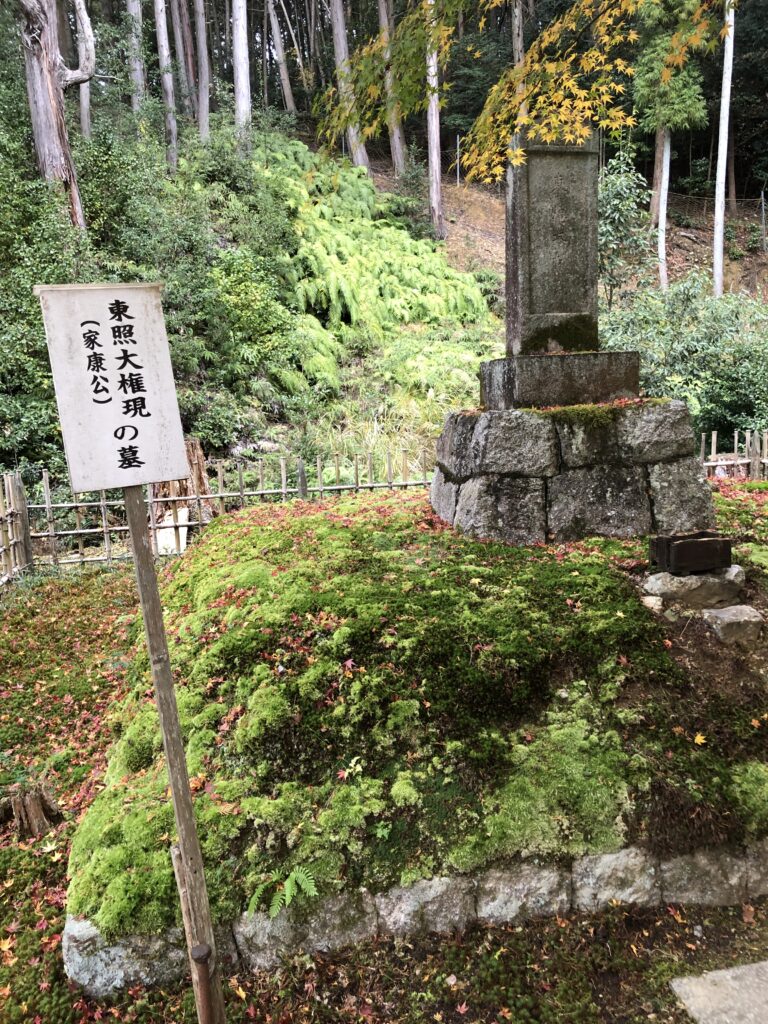
Slightly uphill there is a small grave with a wooden plate indicating the tomb of Tokugawa Ieyasu, though his actual remains could be buried elsewhere. However, the view of northern Kyoto was wide and far on clear days.  What a clever positioning of the grave !


In the inner temple area there is a small bamboo forest Ohkyo chikurin (応挙竹林).  And a small exhibition hall inside the Kondo.


Kyoto Botanical Garden

After brief local lunch we visited the Kyoto Botanical garden. It was huge though we focused mainly on the area where there were maple, Gingko and sakura trees. It was not crowded and we stayed there for roughly 1.5 hours before having a coffee break in the cafe adjacent to the entrance of Kitayama subway station.  


=====>   Omihachiman  =====>
 

JP 2022 Nov Koyo Kyoto (Part 2)

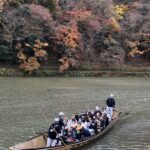
Lunch in Suiran, Arashiyama – 3rd visit


Katsura river, Arashiyama


Toji-in (等持院)

Took Randen train to Toji-in, which is famous for its landscape garden, though koyo was clearly off-peak. It’s also the Ashikaga dynasty’s funeral temple and all fifteen of the Ashikaga shoguns were buried here. It was serene with a few visitors only.


=====>   Kyoto (Part 3)   =====>


JP Kyushu onsen 2020 Jan (Part 6)

Dazaifu Tenmangu (大宰府天満宮)

After checking out we headed back to Fukuoka in about 130km away. Dropped by Dazaifu Tenmangu in the outskirts of Fukuoka.

Though it was a Friday, it was fairly crowded on the road and inside the temple ground, where lots of locals were praying – probably for good luck in the new year, and students passing exams. While it was famous for Ume blossom – with 6000 Ume trees, one or two trees have started blooming in early stage.


Fukuoka

Returned car in Hakata and checked into hotel nearly station. It was lucky that we bumped into the Light Festival by teamLab in Fukuoka Castle Ruins.

Visited the Borderless teamLab in Tokyo/Odaiba 1 year ago. As the show was outdoor the night sky and night views of Fukuoka (featured photo) could be observed.  Winter constellations such as Orion, Canis Major, Taurus, Gemini could clearly be seen by naked eye on a cloudless night.


~~~~~~~~~~        T H E     E N D     ~~~~~~~~~~~


JP Kyushu onsen 2020 Jan (Part 5)

Harajiki falls (原尻の滝)


After checking out we headed to the Harajiki falls in Bungo-ono (豊後大野) near Taketa, in less than 80 km to the south of Beppu. The falls span 120m across and of 20m tall. In summer the falls is at its peak volume. Strolled around and had lunch in one of the large road stations nearby.


Fuko-ji Magaibutsu (普光寺磨崖仏)

Noted about this from the pamphlet in the road station. Dropped by Fuko-ji – the stoned buddha was sculpted on a cliff wall. Of over 11m this is the tallest in Japan, sculpted during the Kamakura-era. 


Beppu onsen

Before returning to Beppu for our last onsen stay, we dropped by the Okajoshi and Taketa town. Have contemplated of possibly returning in Spring so did not stay long. 

Checked into seaside onsen hotel in Beppu, selected French dinner course. While all rooms have ensuite onsen we soaked in the furo on the top floor with no one else occupying it 🙂


=====>    Part  6    =====>


JP Kyushu onsen 2020 Jan (Part 4)

A day in the Kunisaki Peninsula (国東半島)


First we arrived at Usa Jinja (宇佐神宮) in less than 1 hour. It was built in the 8th century and is the Head Jingu for thousands of Jingu dedicated to Hachiman in Japan. Unfortunately, the treasure hall was closed so we left after 1 hour.


Fuki-ji (富貴寺)

Next we drove further eastward to Fuki-ji (literally wealthy), which was also built in the 8th century. As a national treasure, the main hall is the oldest wooden structure in Kyushu. Inside there are paintings and wooden sculptures of Amida Buddha (no photo is allowed). As the temple was small we stayed for a while. Had casual lunch in a cafe nearby and caught sight of Ume in early bloom.


Futago-ji (両子寺)

headed further uphill to this temple of 1300 years old beneath Mt. Futago (literally twins). It’s the head temple of the Tendai sect in the peninsula. Approaching from the lower car park there is a pair of stone Nio guardians (featured photo), followed by a flight of stone stairs before arriving at the main temple area, where the Gomado Hall (literally protection against evils) is.


Kitsuki

Before returning to Beppu, dropped by Kitsuki for a coffee break and the Kitsuki Castle, which has been reconstructed and probably is the smallest castle in Japan. From the castle, it offers nice views of the Beppu Bay, Beppu and Oita city in the distance. Did not stay as rest of the ground was under construction.


ANA Intercontinental Beppu Resort & Spa


====>     Part  5    =====>


ANA Intercontinental Beppu Resort & Spa

Stayed in this newly opened (5 months old) 5-star onsen hotel in Beppu.  Due to its location, it has panoramic views of the city and Beppu Bay below.

Onsen is sourced from nearby Kanawa onsen, though not as smooth as earlier onsens in this trip.  Rotenburo also has nice views. Our room is spacious with a balcony (70 sqm).


Excellent dinner course in open kitchen Atelier


Night and morning views


Over 90+ visits to Japan since 1999