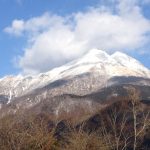
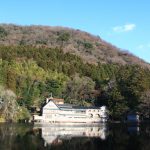
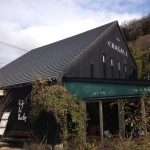
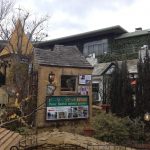
stopped by while driving en route to Karatsu. Yabakei is an area of strange rock formation and is famous during koyo season, though too late in late Dec. Drove onward to Tosu Premium outlet for lunch break.
Husband and wife rocks
before and after repair
Karatsu (唐津)
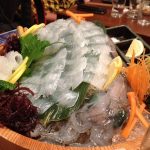
a seaside town we last visited in 2008 from Fukuoka as day trip by train. This time we stayed in seaside hotel overnight and visited nearby Yobuko morning market. Unfortunately the Karatsu castle was under renovation so we could only strolled around. As we arrived at the morning market quite late, the market had almost finished. We then went for early lunch in nearby live Ika (Squid) restaurant.
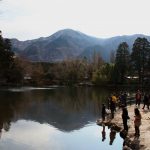
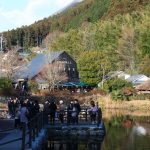
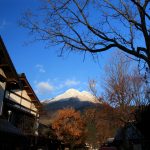
Yufuin is another famous onsen town that we last visited in 2000 and 2008. As Yufuin and Beppu were pretty close, we had more time to stroll along the main avenue for many cool shops and to Kinrin-ko, a small pond. The snow-capped Mt Yufuin could be seen from town as long as its views were unblocked.
On next morning, drove uphill to Kurokawa onsen in Kumamoto Prefecture. This onsen town is much smaller yet traditional. Streets were narrow and better to stroll in the hilly town.
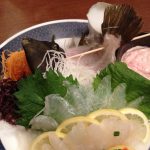
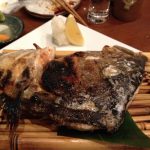
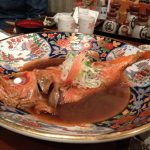
had sumptuous dinner in local restaurant serving fresh yet inexpensive seafood, though sake was the weakest link.
Beppu (別府)
On next morning, picked up rental cars and drove to Beppu. Took about 2 hours via expressway. Beppu has about 8 different onsen sources. In 2000 and 2008, we visited a few of them for daytime onsen and stayed in Kannawa and Kankaiji onsen.
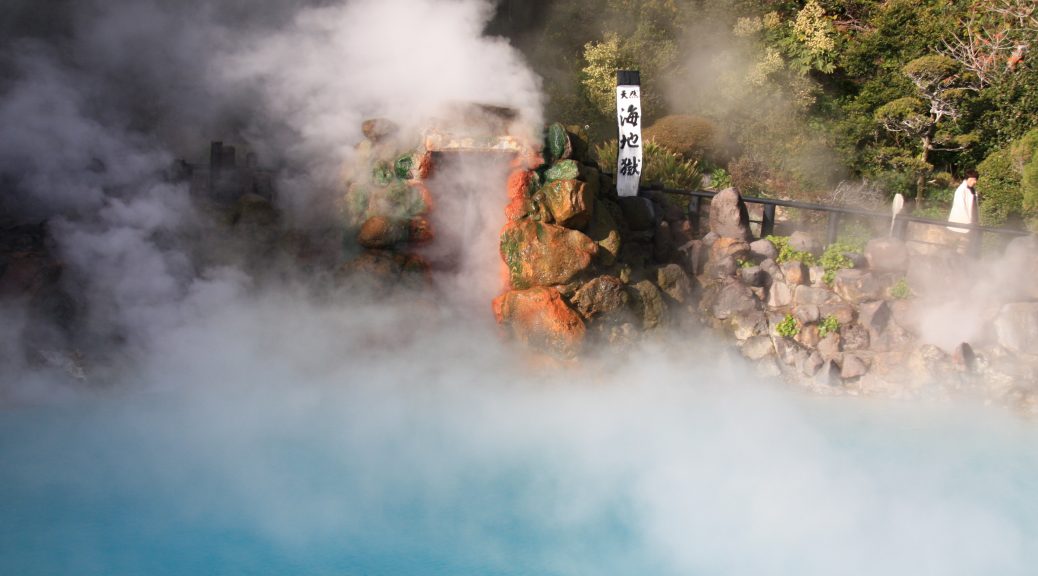
Visited 2 Jigoku (地獄, Hells) out of several of them. The Umi Jigoku (Sea Hell) is of boiling, bluish onsen. OTOH, the Chinoike Jigoku (Blood pond Hell) is of reddish brown. Stayed in an onsen ryokan in Kannawa onsen area with its own source – Oniyama Jigoku, that we last stayed in 2000. The rotenburo is so huge that it’s roughly half of a standard swimming pool.
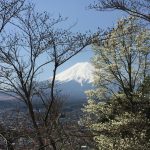
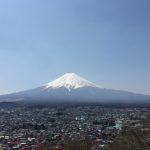
Before returning to Tokyo, we bid farewell to Kawaguchi-ko and Mt Fuji again. We were grateful for 2 sunny days in a row, though sakura around the lakes were less promising.
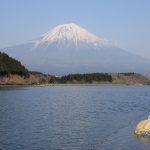
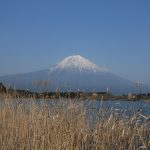
Except for the last 3 photos below, all shots were taken from our hotel room balcony.
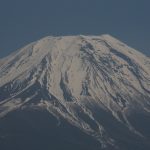
Mt Fuji – reflections and close-ups, never get enough of it
Mt Fuji with reflection in early morning
Oike Park on opposite bank
more sakuras were blooming during breakfast on the day we left
a couple was posing for wedding photos
Kawaguchi-ko station
Shinjuku Gyoen
since my last visit in end Feb for a few early sakura bloomers, I was expecting the late bloomers would be in peak. And indeed they were !
Kanzan-zakura in full bloom nearby the Shinjuku gate
Yaebeni-shidare zakura
ichou sakura
Hana-kaidou (Malus Halliana from China)
a beautiful Tsubaki (Camelia)
sakura petals in ponds
Oshima-zakura
Shirotae (sakura)
greenish Ukon (sakura)
Xmas rose (Helleborus)
Showa Kinen Koen
Picked this park in Tachikawa as apart from late blooming sakuras, there are other flowers blooming such as tulips, nanohana and even to our surprise – Nemophilia as well.
rows of Somei-Yoshino sakura in Hanafubuki stage
Nemophilia
orange tulips with a sea of sakura petals in the pond
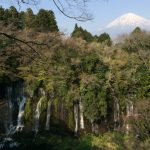
Next we arrived at Shiraito Falls in Fujinomiya (Shizuoka Prefecture). While the falls were spectacular, we got the first bonus in Fujinomiya – sakura full blossom and Mt Fuji together ! And Mt Fuji looked different when viewed from here – there’s a small apex in the summit.
Otodome Fall
Shiraito fall with Mt Fuji
Oishi Park (大石寺)
Next we visited Oishi Park where sakura was in peak blossom, and Mt Fuji was in sight again !!
Kariyado-no-geba zakura (狩宿の下馬桜)
Upon our return, stopped by to visit this sakura tree of more than 800 years old. Though sakura has finished, nanohana and other flowers were blooming.
While peak sakura usually reaches Fuji 5-lake around mid-April, this year it was about 5-7 days later than normal.
Arakurayama Sengen Park / Chureito Pagoda
(新倉山浅間公園 / 忠霊塔)
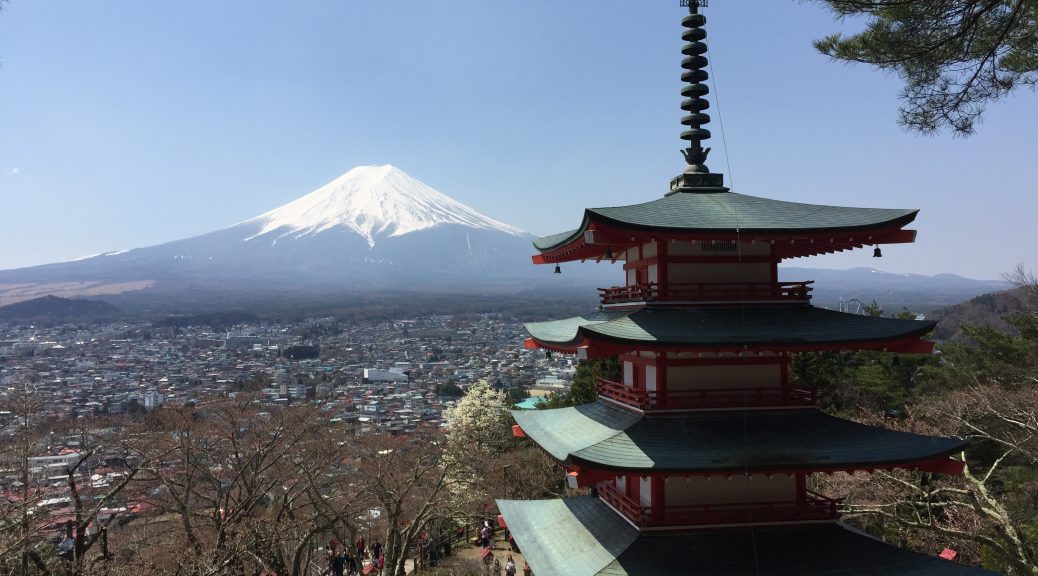
There was hardly any sakura blossom except one or two trees up on the Chureito Pagoda with a few flowers – even the Festival event has to be extended. Nevertheless, it was another sunny day and Mt Fuji could be seen as long as it’s unblocked.
Arakurayama Sengen
only 1 sakura tree was blooming
Fuji Omuro Sengen (富士御室浅間神社)
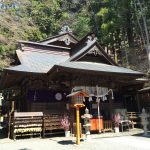
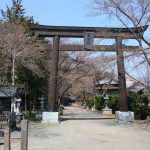
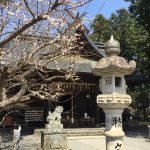
Next we drove westward along the southern shore of Kawaguchi-ko to check out the sakura in this Jinja – 1 sakura tree was blooming.
Mt Fuji as seen in Saiko, Asagiri Kogen and Tanuki-ko
…continued driving towards Fujinomiya in southwest of Mt Fuji.
leaving onsen ryokan in Suwa-ko after 2 nights’ stay. Picked up rental car and drove to Kawaguchi-ko, stopped by Yamataka and Fuefuki in Yamanashi Prefecture.
Suwa-ko in different perspectives
Sakura and Ume blossoms along the road
row of pink early blooming sakura trees
Red Ume in blossom
pink and while Ume blossom in one tree
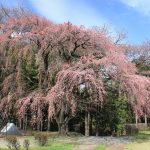
Yamataka Jindai-zakura (山高神代桜)
The Jindai-zakura is one of the 3 most famous sakura trees in Japan. It’s estimated to be 1800-2000 years old re its website (see below). Apart from it, its son tree and sons of other famous sakura trees from Usuzumi-zakura (淡墨桜) in Gifu, Miharutaki-zakura (三春滝桜) in Fukushima and Kuon-ji (久遠寺) were inside Jisso-ji (実相寺), forming a sakura forest in miniature, while rows of white and yellow Suisen (daffodils) were planted in the fields. We were soaking in this forest for nearly 2 hours.
Before heading to the onsen hotel in Kawaguchi-ko, we visited a park in Fuefuki where there are numerous peach farms around. Pink peach flowers were in full bloom and a large sakura tree caught attention from visitors.
have long been aware of this very famous sakura spot but due to its location and timing have not visited till this trip.
Unlike in 2014, 2015 when full bloom commenced around 10th April, this year the bloom dates revert to yearly average. Thus, there were only a few trees with blooming sakuras. Nevertheless, the festival was on and many locals visited. We’ll be back for full bloom !
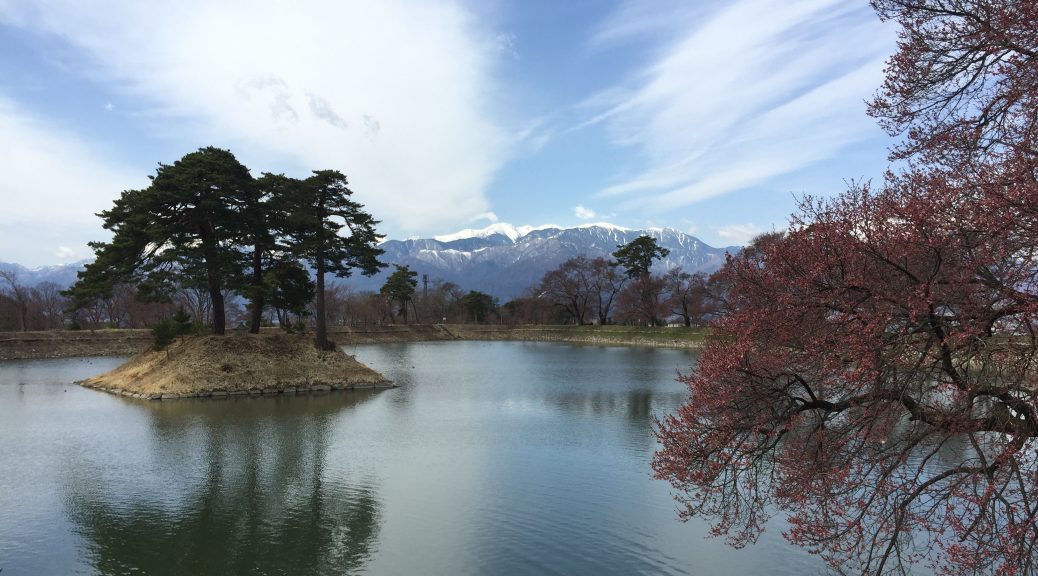
After leaving Takato castle, visited Kasuga Koen (春日公園) in nearby Ina city. A few early blooming sakura trees were blooming, though other famous sakura trees of few hundred years old near Takato Castle were not in budding stage yet.
六道の堤
southern JP Alps
勝間薬師堂の桜
Suwa Taisha Akimiya (諏訪大社下社秋宮)
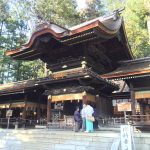
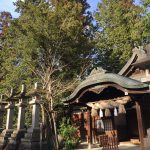
Dropped by Suwa Shimosha Akimiya in Shimo-Suwa city before returning to onsen ryokan in Kami-Suwa. Visited the Akimiya Shrine and also two raised Onbashira – honoured pillars (御柱).
After leaving Heian Jingu we had a short coffee break before walking towards Okazaki canal. The Sun was slowly setting and the glow on the Torii gate and sakura trees was amazing.
Hirano Jinja (平野神社)
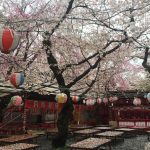
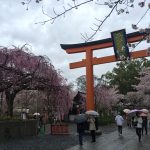
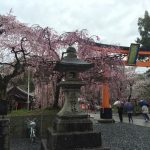
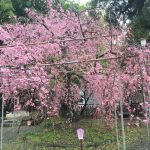
Before leaving Kyoto on the next day we visited Hirano Jinja, which has 400 sakura trees in 60 varieties re its website. Despite on a rainy day, the blooming sakuras looked gorgeous and there were some varieties that were totally new to us, e.g. “Kochou” (butterfly), “Nezame” (awaken from sleep) etc., and some would not bloom until late April.
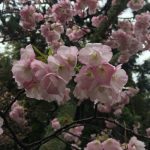
The original intention was to visit the Omuro sakura in World Heritage Ninna-ji for late blooming sakura. However, as bloom dates shifted later this year, only a few of those sakura trees have started blooming. OTOH, we were surprised with a variety of Kanzan-zakura whose petals are larger, in purple-red and quite different from the other Kanzan-zakuras elsewhere. At first glance, they looked akin to Tsutsuji (Azaleas) than sakura, though the tag stated otherwise.
Entrance
Omuro sakura info inscribed on stone
only a few Omuro-zakura trees have started blooming
Purple-red Kanzan-zakura
Heian Jingu (平安神宮)
3rd visit for sakura with predominantly the pink Yaebeni-Shidare-zakura which were close to full bloom. While in our last visit in 2015 we caught sight of a Japanese wedding couple, this time a white crane was in the pond for over 10 minutes posing gracefully for its lucky audience.