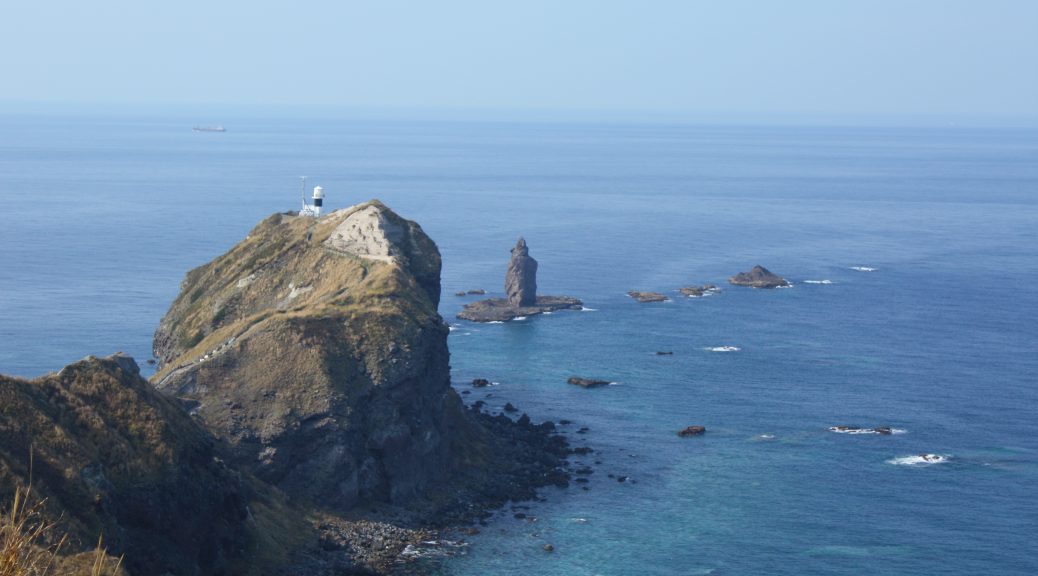
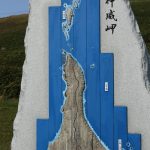
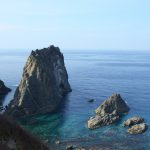
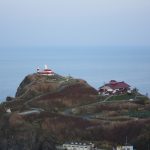
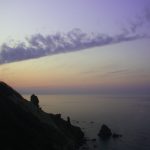
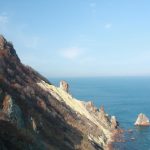
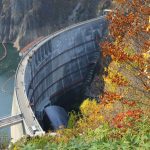
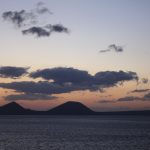
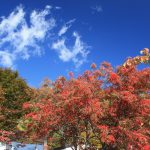
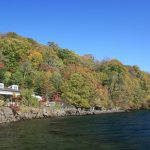
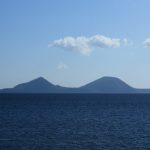
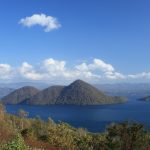
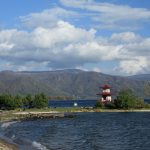
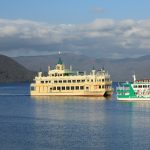
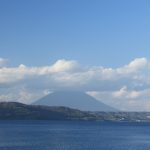
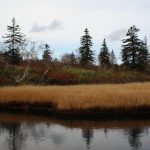
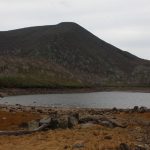
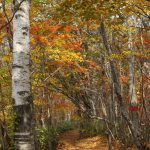
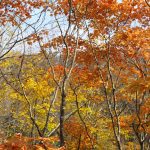
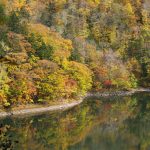
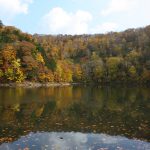
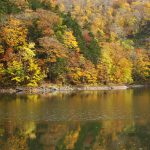
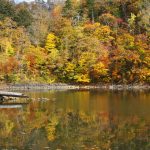
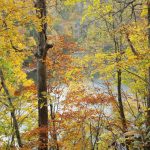
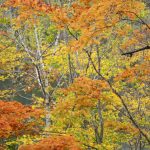
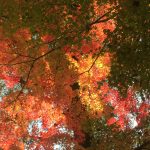
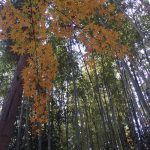
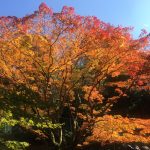
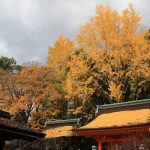
at the north-western tip of Hokkaido. Took about 2 hours from Niseko to skirt around the coastline to get there.
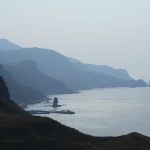
coastline while heading north to Cape Kamui
Shimamui-kaikan in Shakotan Peninsula
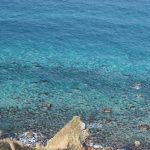
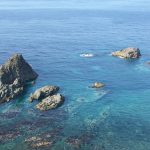
clear blue sea water from above
Otaru Shukutsu
Took about 1 hour drive from Shakotan to Otaru. Stayed in a hotel overlooking the Shukutsu coastline in Otaru. as we have visited Otaru twice before, did not stop by the city centre this time.
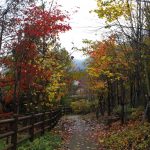
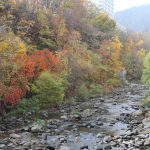
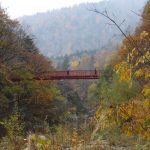
Hoheikyo and Jozankei onsen
our first visit – Koyo was a bit late in both, which are in the outskirts of Sapporo. Stayed overnight in an onsen ryokan in Jozankei.
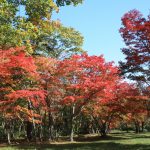
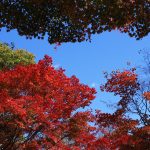
In this Koyo trip, we visited Hokkaido from mid to late Oct starting from Shikotsu-ko, Toya-ko, Niseko, Cape Kamui, Hoheikyo, Otaru, Sapporo and Hakodate.
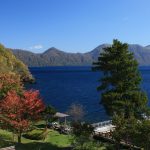
Shikotsu-ko
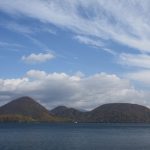
First stay right after landing in nearby New Chitose airport, about 30min by car. Deep-blue lake in peak Koyo.
sunrise from onsen ryokan
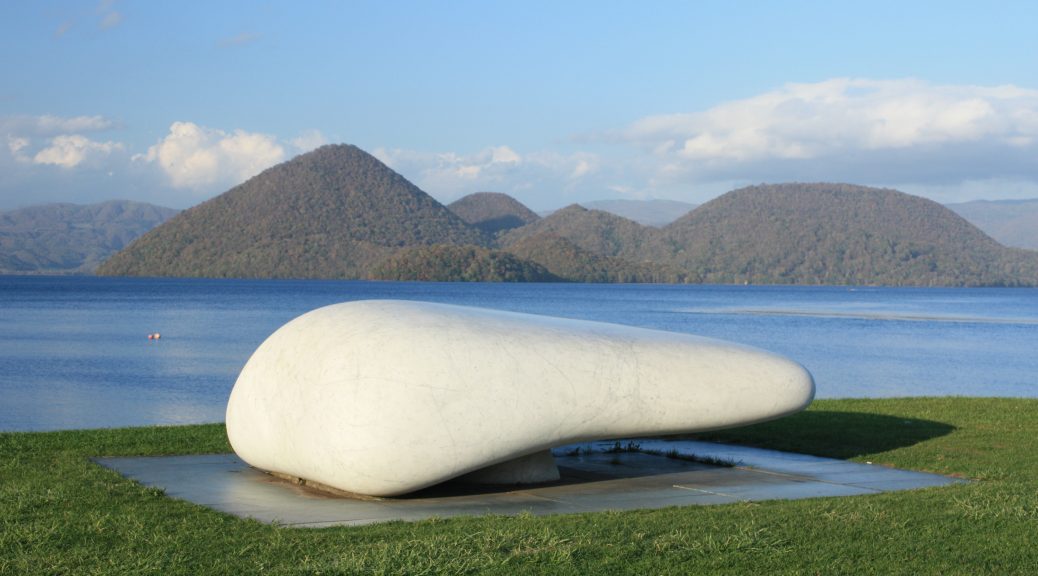
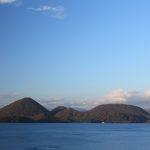
Toya-ko
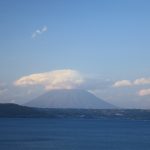
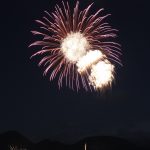
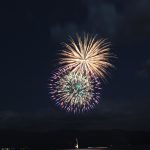
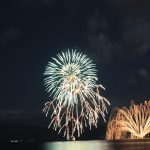
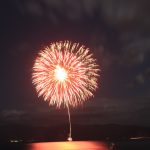
Koyo was a bit after peak. Nevertheless, it was a sunny day and it was my first shots on fireworks.
view from Sairo Observatory
Ukimido
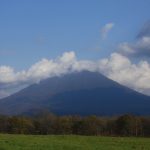
Mt Yotei in the distance
Niseko
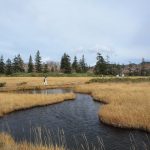
visited Shinsen-numa for the 1st time. Koyo was clearly beyond peak in mid-Oct due to higher elevation. Refer to our trip in Oct 2013 when we visited 1 week earlier to catch peak Koyo.
Half-moon lake
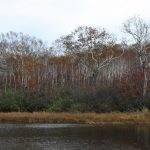
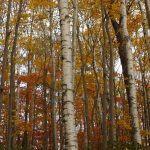
At the foothill of Mt Yotei, about 15-20min walk from car park through a forest of White Birch (Shirakaba in Japanese).
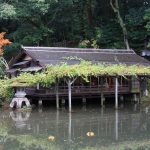
Shosei-en is a garden that is part of nearby Higashi Hongan-ji. The garden was nicely designed with spots and walking paths. According to its guide-book, the garden was named from an ancient Chinese essay (歸去來兮辭) circa 400AD. In one line 園日涉以成趣 it means “pleasure from daily stroll in garden”. Indeed it is. Besides, as the day was calm, the reflections in the pond were impressive. There were fewer visitors than in other popular koyo spots.
Stone wall
Higashi Hongan-ji (東本願寺)
From Shosei-en, we headed to Kyoto station and stopped by Higashi Hongan-ji. The Ginkgo trees have clearly passed its peak with many fallen leaves. There were many visitors on that morning, with loads of coaches parked outside. While we were leaving, I spotted a crane while I was reading the slogan on the outer wall.
spotted a crane while I was reading the slogan on the wall
Hiyoshi Taisha (日吉大社)
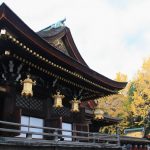
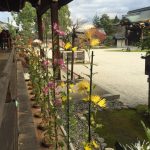
After lunch we took train to Biwako – the largest lake in Japan. Before checking in the onsen ryokan, we visited Hiyoshi Taisha at the foothill of Hieizan. It seems that macaque is worshiped there. Along the path, there was a long row of Chrysanthemums with awards.
One of the most spectacular Koyo sites in our visit this time.
1 day in Arashiyama
Though we had planned to visit Nara on 23rd Nov to avoid potential crowds on public holiday, we visited Arashiyama in order to catch up on our “backlogs” 🙂
Hozukyo (保津峽)
Despite my effort to reserve the Torroko train tickets about 1 month in advance, we were advised by hotel concierge that all train tickets in that week were snatched up pretty soon the booking window opened up.
Thus, we took a normal JR train to arrive at the gorge. Koyo was past peak and a boat happened to flow downstream. We then took the next train back to Sagano.
Tenryu-ji (天龍寺)
Koyo around the pond clearly has passed peak. Colours were less vivid than in our first visit 12 years ago. However, there were some pockets of bright colours before the exit to the bamboo forest, in the Arashiyama Park and also along the passage to the main entrance.
Hogon-in is a “Tachiu” temple (塔頭寺院) of Tenryu-ji. It has a beautiful garden – “Lion-roar” (獅子吼の庭). Koyo was at peak, unlike neighboring Tenryu-ji. Good that we did not miss it, though it was very crowded.
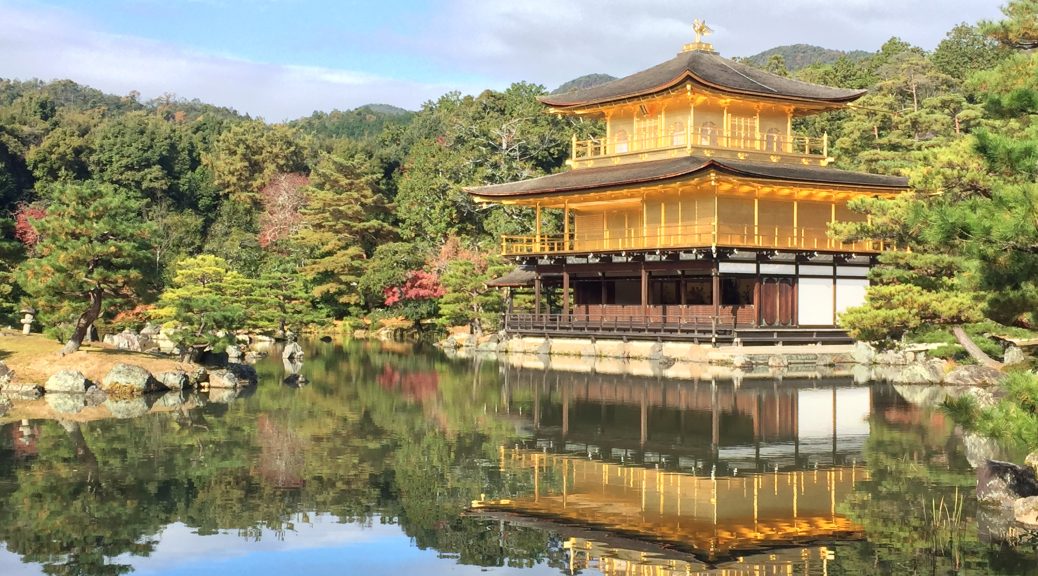
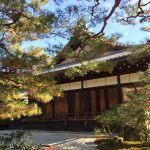
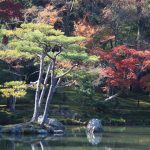
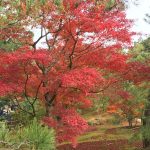
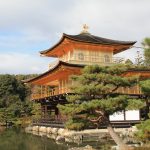
3rd visit for Koyo in Kyoto. Stayed for 4 nights in 3rd week of November. Though some popular Koyo spots were already past peak such as Tenryu-ji and Kinkaku-ji, we were so lucky as days were sunny and calm.
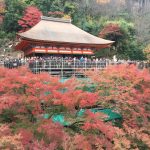
Kiyomizu-dera (清水寺)
Stunning Koyo, more beautiful than our last Koyo visit in 2004 🙂
Tofuku-ji (東福寺)
2nd visit for Koyo as well. Went there around 9am and there were huge crowds already. Slightly after peak than our last visit with many fallen leaves. Due to light rain on previous night, the fallen leaves were showing different textures and tone in the morning sun. Unlike our last visit in 2004, photography was forbidden on the Tsuten bridge, presumably to speed up the flow of crowds.
Tsuten bridge
Shisendo (詩仙堂)
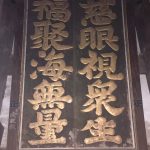
Shisendo literally means hall of saints of poets. Small beautiful hall with a lovely garden. Koyo was beyond peak colours. Inside the hall there are portraits and essay excerpts/poems by 36 scholars/writers from ancient China. Apart from the renowned scholars and writers in Tang and Sung dynasties, some of the writers in earlier Han and Jin dynasties were unheard of. Poems were written in an ancient Chinese calligraphy used in the Han dynasty.
3rd visit to Kanazawa in mid-Nov. Took Hokuriku Shinkansen from Tokyo again – smooth and easy in 2.5 hrs direct. Stayed for 1 day before heading to Kaga onsen.
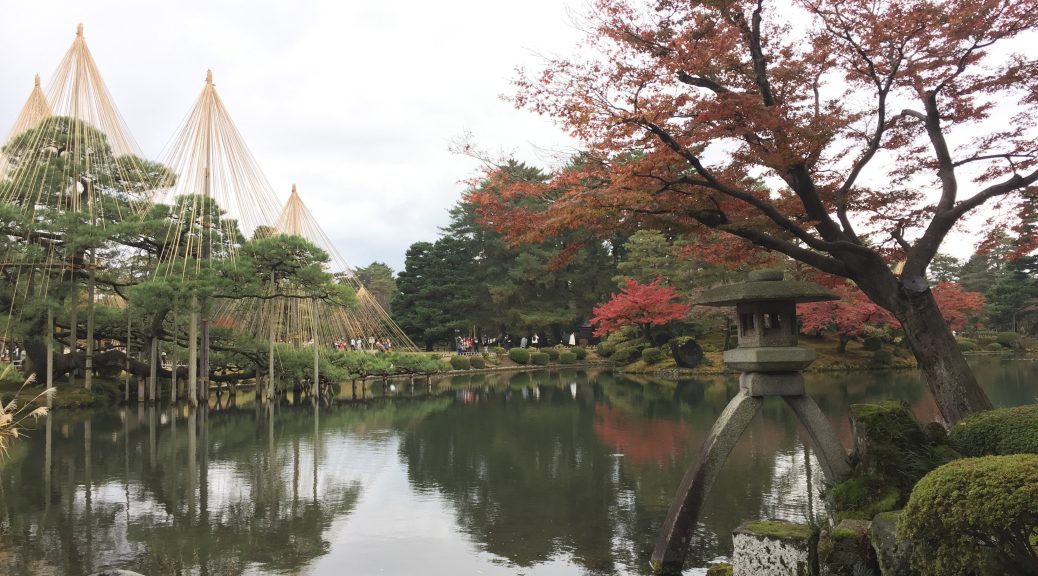
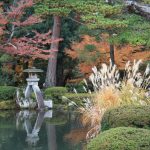
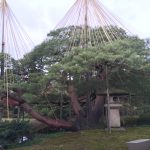
Kenroku-en
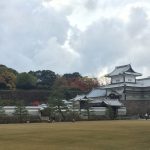
One of the three famous gardens in Japan. Koyo was even more brilliant compared to our last visit in 2015 (which was one week earlier).
have visited Kawaguchi-ko and Yamanaka-ko more than 10 years ago, but this was our 1st visit for Koyo. Rented a car to explore the entire area. Stayed in onsen hotel in Kawaguchi-ko for 2 nights.
In the morning, Mt Fuji showed up from our balcony after mists and clouds had dispersed.
Morning mists on lake
view from balcony
faint reflection of Mt Fuji
Momiji-kairo (もみじ回廊) in Kawaguchi-ko
This was the venue of the 2016 Kawaguchi-ko Koyo festival, which lasted from 1st-23rd November. Koyo was at peak and luckily again the sun was out which added more vivid colours. Not far away from the Koyo corridor, there were stalls selling food, drinks, local produce, craftworks, souvenirs etc.
Motosu-ko (本栖湖) and Shoji-ko (精進湖)
The Koyo along the lake rims on Motosu-ko was beautiful. Drove to the viewpoint where Mt Fuji is featured on the 1,000-Yen note.
Mt Fuji from Motosu-ko, as featured on 1,000 Yen-note
lake rims of Motosu-ko
Mt Fuji from Shoji-ko
Oshino Hakkai (忍野八海)
Oshino Hakkai is a small village between Kawaguchi-ko and Yamanaka-ko. There are small ponds with crystal clear, transparent water.
transparant, clear water in small ponds
Diamond Fuji in Yamanaka-ko
This phenomenon can be seen in Yamanaka-ko only from October to February, when the sun sets directly onto the summit of Mt Fuji, thus producing a “Diamond” effect right before it is completely hidden behind Mt Fuji. The first 4 photo shots of Mt Fuji below lasted in about 5 seconds only !
Sun setting onto Mt Fuji summit, producing a “Diamond” effect
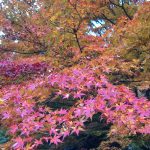
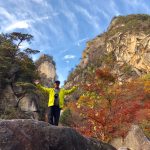
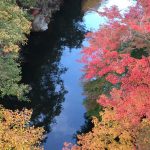
visited Shosenkyo for the 1st time. Picked up rental car from Kofu station and drove about 30min uphill. Koyo was peak in mid Nov when we visited. Lucky it was a sunny day, Koyo was gorgeous well beyond our expectations 🙂
Senga-taki (仙娥滝)
Senga-taki
Married-couple wooden Jinja
huge gemstones
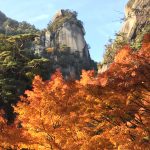
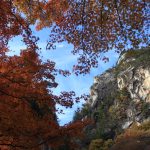
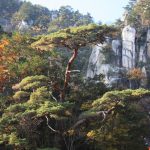
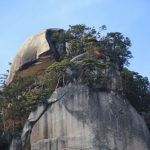
Kakuenbo viewing area (覚円峰)
Parked car in nearby parking lot. Followed the walking trail slightly uphill for about 30min and arrived at the Kakuenbo viewing area. Leaves were in a multitude of colours in the afternoon sunlight.
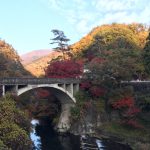
Nagatoro-bashi (長潭橋)
Before heading to Fuji 5-lake, stopped by Nagatoro bridge and it was well worth it.